
People often ask me where to go in Japan if they love tea. It is a good question, and the answer is better than most people expect, because Japan’s tea regions happen to sit in a rough line from south to north, following the same route the bullet trains take. You can start at the southern tip of Kyushu and work your way back toward Tokyo, and the tea changes character as you go.
Here is how I would do it.
Kagoshima: where the season starts
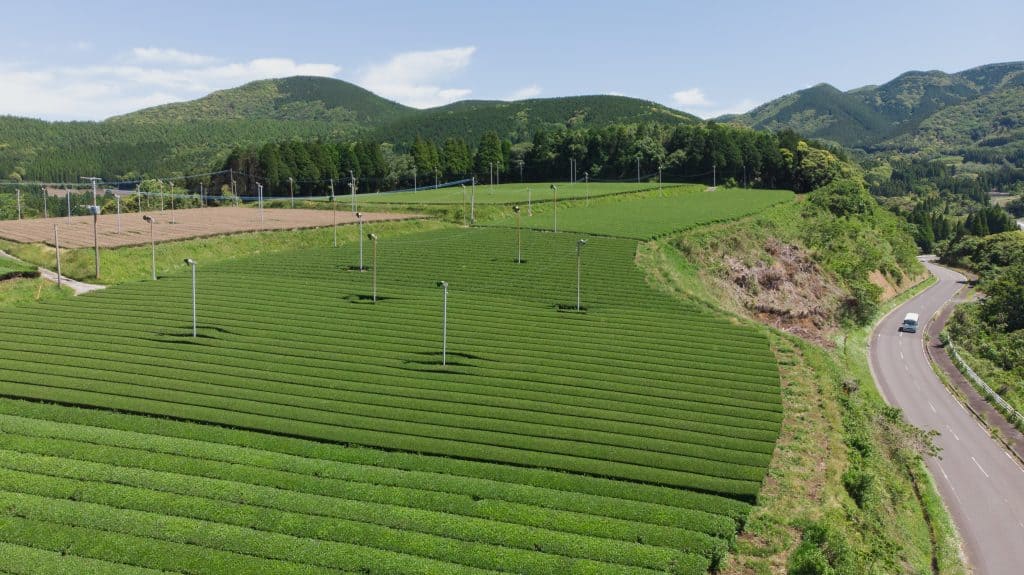
Kagoshima sits at the bottom of Kyushu, with the volcano Sakurajima dropping fine ash over the fields. That ash, along with the warm southern climate, is part of why the tea here is so good. In 2021 Kagoshima passed Shizuoka to become Japan’s largest tea-producing prefecture, the first time any other prefecture had held that title since records began in 1967. Because it is so far south, it is also the first region in the country to pick shincha, the new season tea, each year.
This is where our own tea comes from. Sakamotoen, the family farm we buy from, is in Shibushi on the Osumi Peninsula, which is the prefecture’s second largest growing area. Small farms like this are not set up for drop-in visitors, so if you have a farm in mind, write to them well before you travel and ask.
For a visit you can arrange more easily, go to Chiran, about an hour by car south of Kagoshima-Chuo station. Chiran tea is the famous name here, grown from cultivars like Yutakamidori, Saemidori and Asatsuyu, and the area has hand-rolling and brewing experiences you can book through the local tourism service. While you are there, walk the samurai residence street. Several of the old houses serve tea in their gardens, and it is a quiet, beautiful place to sit.
Before you head out of the city, stop at one of the tea shops in Kagoshima itself and taste a few grades side by side. It gives you something to measure everything else against.
Yame: gyokuro country
Two hours north by shinkansen and a short run inland from Kurume, Yame in Fukuoka Prefecture is where you go for gyokuro. Gyokuro is shaded for several weeks before picking, which slows the plant down and pushes it to produce more of the compounds that give the tea its sweetness and that deep savoury flavour the Japanese call umami. It is the reason gyokuro tastes almost like broth compared with an ordinary sencha.
Farm tours in Yame will walk you through the shading process, and the observation deck above the central tea plantation gives you a view across the whole valley of fields, with a small cafe serving matcha and hojicha. Most of the fields here are now given over to tencha, the leaf that becomes matcha.
Wazuka: the matcha hills near Kyoto
Everyone knows Uji matcha. Fewer people know that much of it is actually grown in Wazuka, a town of about 5,000 people in the hills southeast of Kyoto, which produces close to 40 per cent of the annual Uji matcha crop. The terraced slopes are registered as Kyoto Prefecture’s number one scenic property, and they are genuinely something to see, dark green rows following the contour of steep hillsides.
You can do it as a day trip from Kyoto. There are tea farm tours run in English that take you through the fields, let you grind your own matcha on a stone mill, and finish with a tasting. Book ahead, because they fill up. The tourist information centre hires out electric bicycles, and I would take one. The hills are steeper than they look in photographs.
One thing to know: the fields are private property and working farms. Admire them from the road and the marked viewpoints, and do not walk in among the bushes.
Shizuoka: the last stop before Tokyo
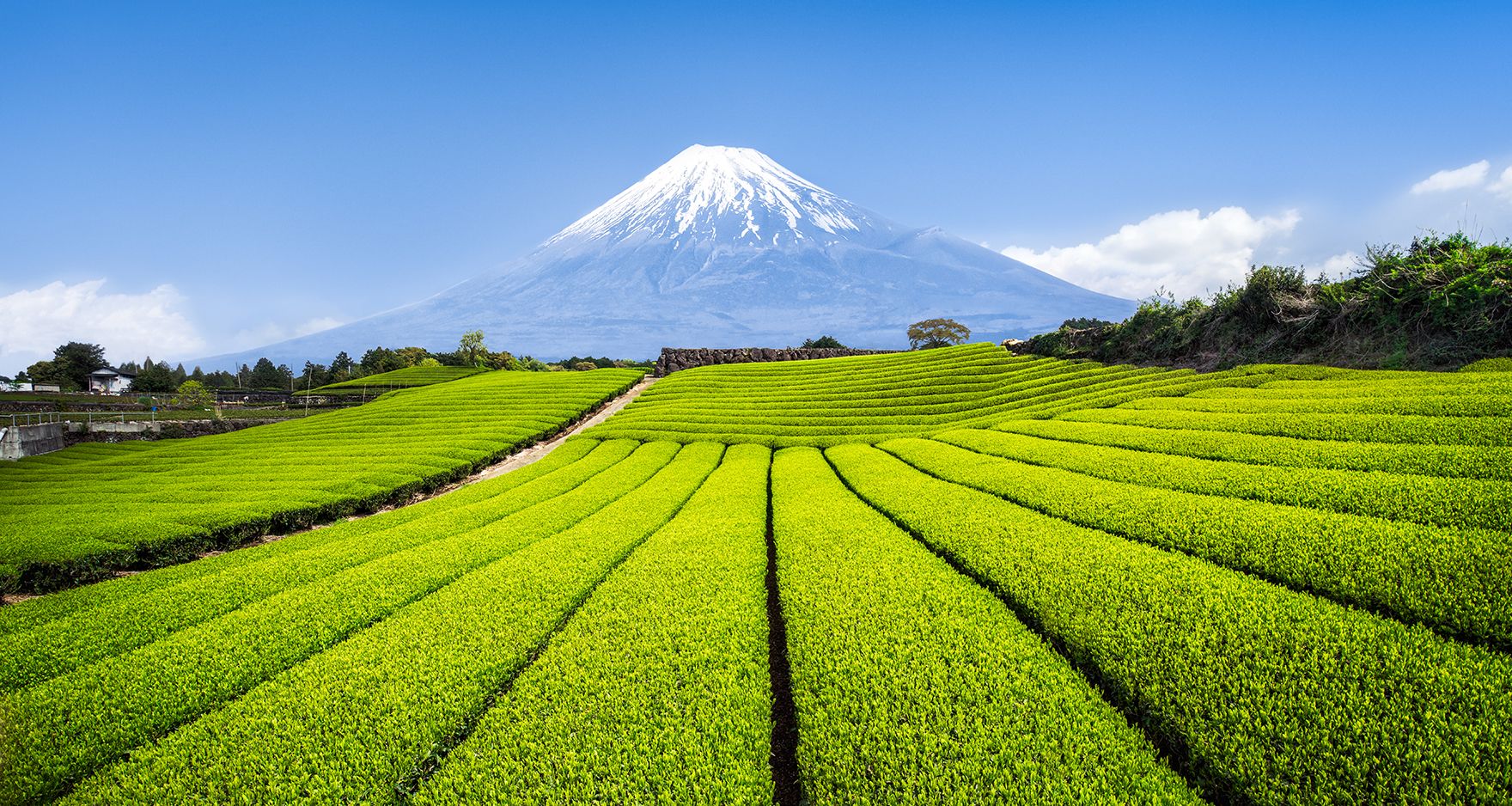
Shizuoka is the classic tea prefecture, and it is the easiest of all of these to reach. The Tea Museum sits on the Makinohara plateau, the largest single tea-growing area in Japan, with a Japanese garden, a tea ceremony house and, on a clear day, Mt Fuji behind it. They run tea picking, hand-rubbing, matcha grinding and tea ceremony sessions for a small fee, and most of the exhibits have good English signage. It is closed on Thursdays.
From here you are a short run back to Tokyo on the Tokaido line, which makes Shizuoka a sensible place to end.
When to go
Tea picking season centres on hachijuhachiya, the eighty-eighth night after the first day of spring. It usually falls in the first days of May. This is the first flush, the most prized picking of the year, and it is when the tea-picking experiences and festivals run.
If you travel south to north, as this route does, you travel roughly with the harvest. Kagoshima picks first, and the season moves up the country behind you. Late April into mid May is the sweet spot.
That said, the fields are beautiful in any green season, and the museums, factories and tea shops are open year round. If you cannot go in May, go anyway.
A few practical notes
Distances are manageable. Kagoshima to Shizuoka is a long way, roughly 1,100 km, but almost all of it is shinkansen, and a rail pass makes it painless. Give yourself seven to ten days if you want to do all four regions without rushing.
Book any farm experience before you leave home. Most are small operations run by the farming family themselves, and they cannot take walk-ins.
Bring space in your bag. You will buy tea. Everyone does.
And learn one phrase before you go: ocha wo kudasai. Tea, please. It will serve you well.
At Pick Green we bring in certified organic tea from Sakamotoen in Shibushi, Kagoshima, so if a trip to Kyushu is not on the cards this year, you can still taste what grows there.


